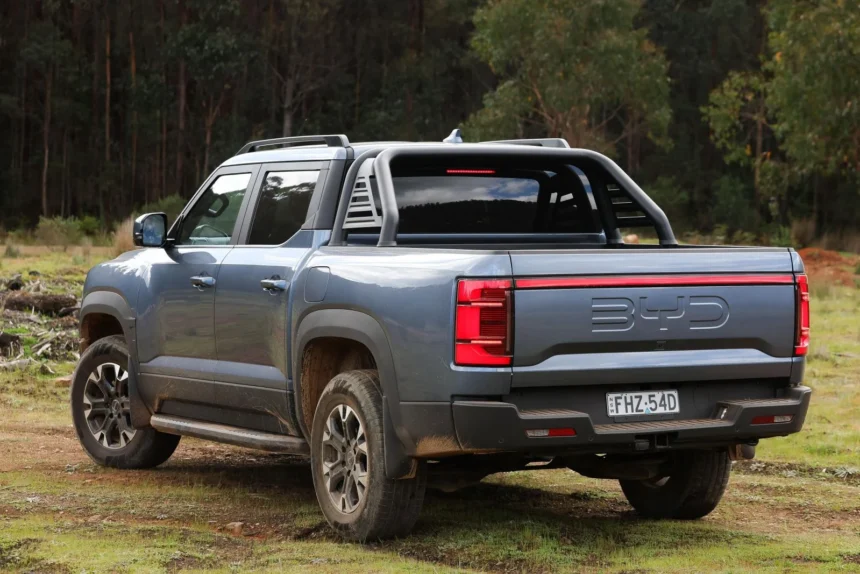
Electric and hybrid cars are no longer a “future concept” in Pakistan — they are already here, and adoption is accelerating faster than most people expected. Rising fuel prices, government incentives, better charging infrastructure, and the arrival of Chinese and Japanese brands have made EVs and hybrids a serious alternative to traditional petrol vehicles.
In this complete guide, we’ll cover everything you need to know about electric and hybrid cars in Pakistan, including prices, types, benefits, charging options, popular models, ownership costs, and whether switching in 2026 actually makes sense.
Understanding Electric vs Hybrid Cars
Before choosing a vehicle, it’s important to understand the difference between electric cars and hybrid cars, as both serve different needs in Pakistan.
What is an Electric Car (EV)?
An electric vehicle (EV) runs entirely on electricity and uses:
- A battery pack
- An electric motor
- No petrol or diesel engine
EVs must be charged using:
More Read

- Home chargers
- Public charging stations
- Fast DC chargers (limited but growing in Pakistan)
What is a Hybrid Car?
A hybrid car uses both a petrol engine and an electric motor. The battery is charged automatically through:
- Regenerative braking
- Engine power (no plug needed for most hybrids)
There are different types of hybrids, explained below.
Types of Electric and Hybrid Cars in Pakistan
1. Fully Electric Vehicles (BEVs)
- Zero fuel consumption
- Zero tailpipe emissions
- Lowest running cost
- Depend on charging infrastructure
Best for: City driving, daily commuting, environmentally conscious buyers
2. Mild Hybrid (MHEV)
- Small battery assists engine
- Cannot run on electricity alone
- Slight fuel efficiency improvement
Common in: Budget Japanese imports
3. Full Hybrid (HEV)
- Can drive short distances on electric power
- No external charging required
- Proven and reliable technology
Most popular hybrid type in Pakistan
4. Plug-in Hybrid (PHEV)
- Can be charged externally
- Offers 40–100 km electric-only range
- Switches to petrol when battery is depleted
👉 Top Five PHEVs in Pakistan 2026
Why Electric and Hybrid Cars Are Growing in Pakistan
🔹 Rising Fuel Prices
Petrol prices in Pakistan have made traditional cars expensive to operate, pushing buyers toward fuel-efficient alternatives.
🔹 Lower Running Costs
- EV cost per km: PKR 4–6
- Hybrid cost per km: PKR 10–15
- Petrol car cost per km: PKR 25–35
🔹 Government Incentives
- Reduced customs duty on EV imports
- Lower registration fees (varies by province)
- Support for EV charging infrastructure
🔹 Better Model Availability
Brands like BYD, MG, Changan, Haval, and Jaecoo are bringing modern electrified vehicles to Pakistan.
Electric Car Charging in Pakistan (Updated 2026)
Charging infrastructure is improving, though still limited compared to global markets.
Charging Options Available
1. Home Charging
- AC wall charger (7kW–11kW)
- Overnight charging
- Cheapest and most practical option
2. Public Charging Stations
Available in:
- Islamabad
- Lahore
- Karachi
- Motorways (select locations)
Companies involved:
- GoEV
- Shell Recharge
- BYD charging partners
3. Fast DC Charging
- 30–60 minutes to 80%
- Still limited but expanding rapidly
Popular Electric Cars in Pakistan (2026)
Some of the most searched and talked-about EVs include:
- BYD Atto 3
- MG ZS EV
- BMW iX1 (imported)
- Audi e-tron (CBU)
- Nissan Leaf (used imports)
👉 Best Electric Cars in Pakistan
Popular Hybrid Cars in Pakistan
Hybrids remain the safest transition option for Pakistani buyers.
Best-Selling Hybrid Models
- Toyota Corolla Cross Hybrid
- Toyota Prius
- Toyota Aqua
- Haval H6 Hybrid
- Jaecoo J7 Hybrid
👉 Jaecoo J5 vs Jaecoo J7 in Pakistan
Electric & Hybrid Car Prices in Pakistan (Estimated)
| Vehicle Type | Price Range (PKR) |
|---|---|
| Used Hybrid Hatchback | 45 – 65 lakh |
| Hybrid SUV | 75 – 1.2 crore |
| Entry-Level EV | 90 lakh – 1.1 crore |
| Premium EV | 1.3 crore+ |
Prices vary based on import status, exchange rates, and taxes.
Maintenance & Reliability
Electric Cars
✅ Fewer moving parts
✅ No oil changes
✅ Lower long-term maintenance
⚠ Battery replacement is expensive (but rare)
Hybrid Cars
✅ Proven reliability
✅ Easier resale
✅ Widely available mechanics
⚠ Slightly higher maintenance than EVs
Battery Life & Warranty
Most modern EVs and hybrids offer:
- 8–10 years battery warranty
- 150,000–200,000 km coverage
Battery degradation:
- ~2–3% per year on average
- Heat management systems reduce damage
Are Electric Cars Practical in Pakistan?
YES, if:
- You live in a major city
- You have home charging
- Daily driving is under 250 km
NOT ideal if:
- You travel frequently to remote areas
- You lack stable electricity
- You rely only on fast charging
👉 For many users, plug-in hybrids (PHEVs) offer the best balance.
EV vs Hybrid – Which Should You Buy?
Choose an EV if:
✔ You want lowest running cost
✔ You drive mostly in city
✔ You care about emissions
Choose a Hybrid if:
✔ You want flexibility
✔ You travel long distances
✔ You want easy resale
Future of Electric & Hybrid Cars in Pakistan
By 2030, Pakistan is expected to see:
- More local EV assembly
- Lower EV prices
- Nationwide charging network
- Stronger government EV policy
Chinese automakers are leading this transition, making Pakistan one of the fastest-growing EV markets in South Asia.
Final Verdict
Electric and hybrid cars in Pakistan are no longer niche products — they are smart financial decisions for many buyers in 2026. While EVs offer unmatched efficiency, hybrids still provide unmatched convenience.
The best choice depends on your usage, city, and charging access — but one thing is clear:
🔋 The future of mobility in Pakistan is electric.